


But will the boom continue?
Beware: We have been here before between 2012 and 2018: a short-term surge followed by market collapse.
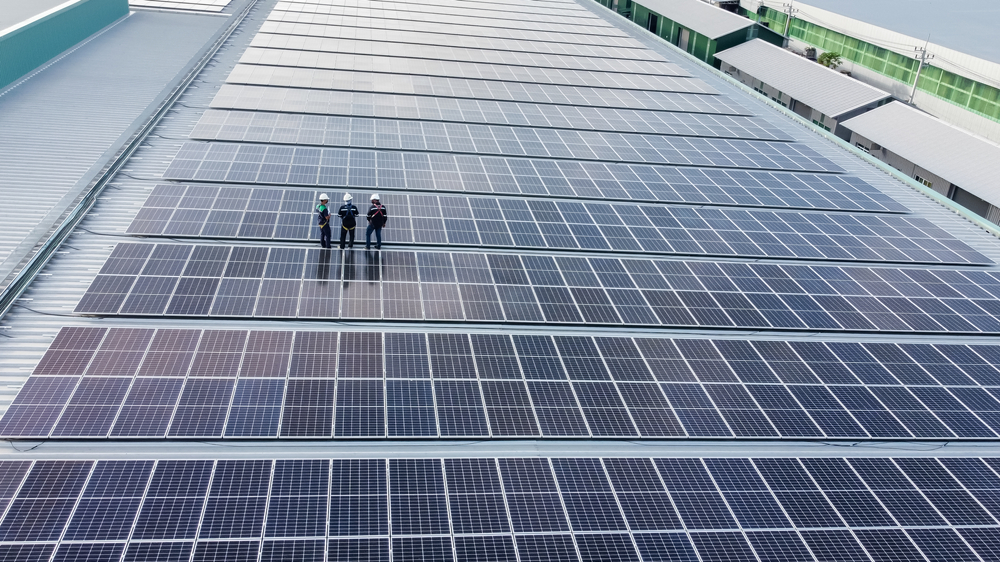
- Unbroken global growth of solar is at last starting to influence Thailand. Only last October, the International Energy Agency (IEA) was showing Thailand, with Ukraine, as bottom of the world in its use of variable renewable energy to produce electricity, despite Thailand’s abundance of sunshine.
- Now, after 5 years of minimal solar investment since 2018, provisional data shows that the improvement in 2024 continued in 2025, but at a slower pace: the IEA has issued preliminary figures to show that Thailand installed 2.1 GWP of new solar capacity, down from 3.0 GWP in 2024.
- And meanwhile, global enthusiasm for the sustainability benefits of solar energy is growing. The economic benefits were already clear and are getting even better: battery storage costs have declined by 93% since 2010, bringing storage within economic reach. Most importantly, the government seems ready to listen, apparently spurred by energy security concerns arising from the supply problems of fossil fuels from the Gulf.
- But not all the news is good. Apart from the 2025 decline above, the long-term Power Development Plan for the electricity sector is already 3 years late and no firm date for its publication has been fixed, reflecting policy-setting chaos. No moves are under way to promote electricity storage. There is a suspicion that the goal of net-zero carbon emissions by 2050 is being used as a pretext for declaring that shorter-term objectives for renewable energy are less important. Business and consumers still need to press government to ensure that they achieve the full savings that solar energy makes possible.
If you would like to discuss how a solar rooftop may offer a path to cost saving and sustainability for your building, and you have a minimum of 3000 m2 of accessible roof space, contact us on customerservice@panphos.com or telephone 062-190-9627.